
Sleep has always been important, but many people notice that it begins to feel different as they get older.
Perhaps you fall asleep easily but wake earlier than you used to. Maybe you wake during the night and struggle to drift back to sleep. Or you sleep for a full night yet still feel less refreshed in the morning.
These changes are common as we age. The body’s internal clock gradually shifts, hormone patterns evolve, and the structure of sleep itself begins to change.
But poor sleep should not simply be accepted as an unavoidable part of getting older.
Sleep is one of the most powerful biological processes the body uses to repair itself. During the night the brain clears metabolic waste, muscles recover from daily activity, hormones are regulated, and the immune system resets its balance between inflammation and repair.
When sleep quality declines, these processes become less efficient.
Over time this can influence energy levels, cognitive function, metabolic health, and the body’s ability to recover from both physical and psychological stress.
In the context of healthy aging, sleep is not simply rest.
It is one of the foundations of long-term health.
What Happens in the Body During Sleep
Sleep is not simply a period of rest. While the body appears still, a number of essential biological processes become highly active.
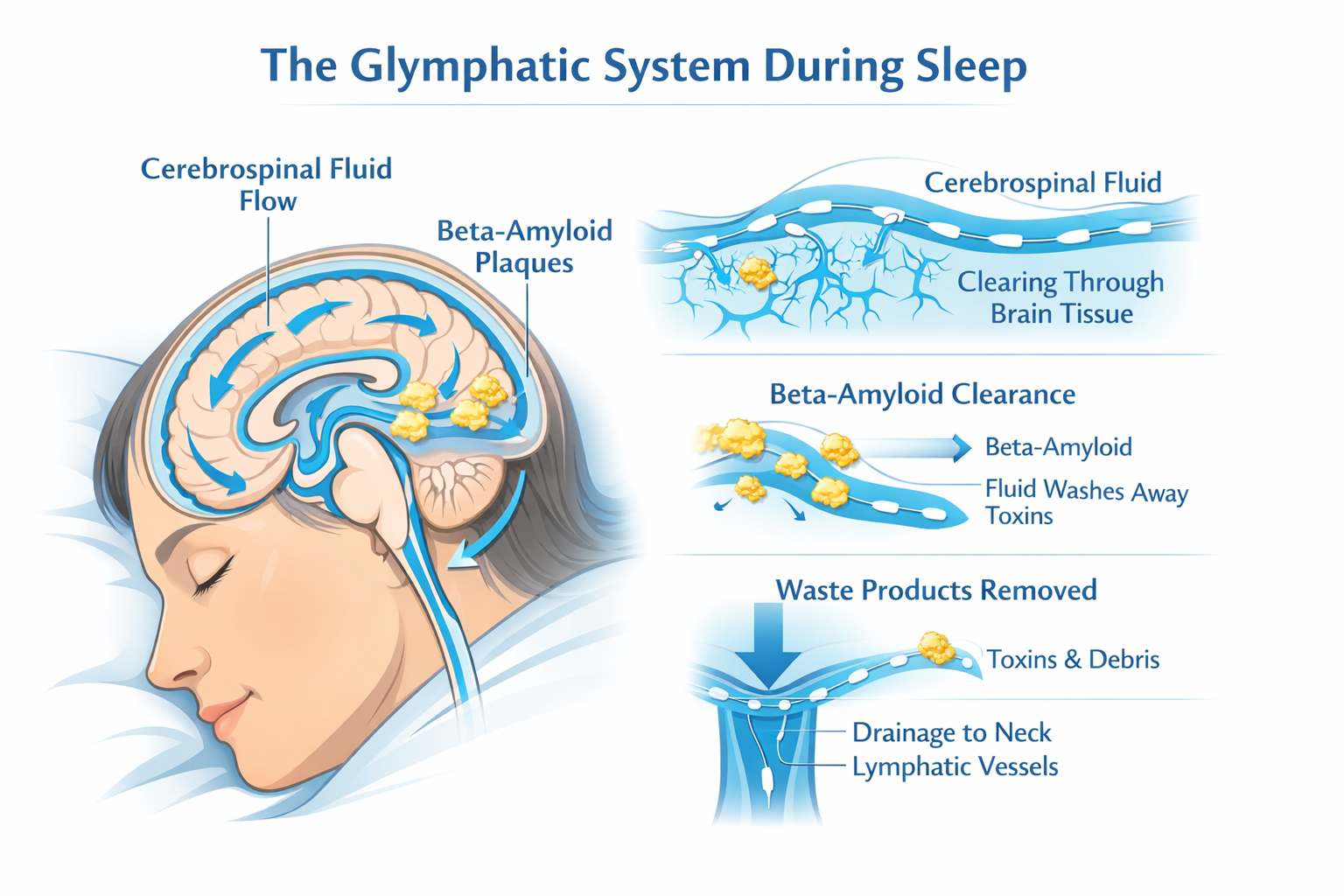
One of the most important involves the brain’s cleaning system. During deep sleep the brain activates a network known as the glymphatic system, which helps clear waste products that accumulate during waking hours. Throughout the day brain cells are constantly producing by-products as they generate energy and communicate with one another. At night, cerebrospinal fluid flows through the brain tissue and helps wash away these substances.
Some of these waste products — including proteins such as beta-amyloid — have been linked with neurodegenerative diseases when they accumulate over long periods of time. Sleep therefore plays an important role in protecting long-term brain health.
Sleep also has a powerful influence on hormone regulation.
During the deeper stages of sleep the body releases growth hormone, which supports tissue repair and muscle recovery. This hormone helps repair muscle fibres stressed during exercise and supports the maintenance of lean muscle mass as we age.
At the same time, levels of the stress hormone cortisol fall during the early part of the night. This reduction allows the body to enter a restorative state in which repair processes can occur efficiently. If sleep is disrupted or shortened, this hormonal balance can become less stable.
Muscle recovery is also strongly influenced by sleep.
After physical activity the body begins repairing small amounts of damage within muscle fibres. This process, known as muscle protein synthesis, allows muscles to rebuild stronger and more resilient.
Adequate sleep supports this repair process, while chronic sleep deprivation can slow recovery and make it harder to maintain muscle mass over time.
The immune system also uses sleep to regulate its activity.
During the day the immune system remains alert for potential threats such as viruses or bacteria. At night it shifts toward a more controlled state in which inflammatory signals are reduced and immune memory is strengthened. This balance helps the body respond effectively to infection while preventing unnecessary chronic inflammation.
When sleep is regularly shortened or fragmented, these restorative processes become less effective.
Over time the consequences may include reduced physical recovery, impaired concentration, increased fatigue, and a greater tendency toward the chronic low-grade inflammation associated with many age-related health conditions.
In other words, sleep is not simply time spent resting.
It is a period during which the body carries out some of its most important maintenance work.
Sleep, Inflammation and the Aging Process
One of the reasons sleep is so closely linked with healthy aging is its relationship with inflammation and immune regulation.
As discussed in the inflammaging article, many age-related diseases share a common underlying feature: chronic low-grade inflammation. Unlike the short bursts of inflammation that occur when the body fights infection or repairs injury, this type of inflammation remains slightly elevated for long periods of time.
Sleep plays a crucial role in keeping this system balanced.
A key part of the immune response involves chemical messengers known as cytokines. Cytokines are small proteins released by immune cells that act as communication signals. They help immune cells coordinate their response — telling the body when to activate inflammation to fight infection and when to switch it off once the threat has passed.
When this signalling system is well regulated, inflammation rises when it is needed and resolves once the repair process is complete.
However, when sleep is consistently shortened or disrupted, this balance begins to shift.
Research shows that sleep deprivation increases the production of several pro-inflammatory cytokines, including molecules such as interleukin-6 (IL-6) and tumour necrosis factor-alpha (TNF-α). These molecules are part of the body’s early warning system during infection, but when they remain elevated they contribute to the chronic inflammatory environment associated with aging.
Another commonly measured inflammatory marker is C-reactive protein (CRP).
CRP is produced by the liver in response to inflammatory signals circulating in the bloodstream.
Doctors often measure CRP during routine blood tests because it provides a useful indicator of the body’s overall inflammatory state. Higher levels of CRP are associated with increased risk of cardiovascular disease, metabolic disorders, and other chronic conditions.
Studies consistently show that people who regularly sleep fewer than six hours per night tend to have higher circulating levels of CRP and inflammatory cytokines compared with individuals who obtain adequate sleep.
Over time this persistent inflammatory signalling can influence several systems within the body.
One effect is metabolic stress. Elevated inflammatory cytokines interfere with the body’s ability to regulate blood sugar effectively, contributing to reduced insulin sensitivity. This makes it harder for cells to respond properly to insulin, increasing the risk of metabolic disorders such as type 2 diabetes.
Chronic inflammation also affects the cardiovascular system. Inflammatory signals can damage the inner lining of blood vessels, known as the endothelium. When this lining becomes irritated or inflamed, it becomes easier for cholesterol particles to enter the artery wall, contributing to the development of atherosclerotic plaque.
This process helps explain why poor sleep is associated with increased risk of hypertension, coronary artery disease, and stroke.
Recovery from illness or injury can also be affected.
Inflammation is necessary for healing, but it must be carefully regulated. When inflammatory signals remain elevated for long periods, the repair process becomes less efficient. Tissue recovery slows, immune responses become less precise, and the body may take longer to recover from infections or physical injuries.
In this sense, sleep acts as a natural anti-inflammatory regulator.
During healthy sleep cycles the immune system recalibrates itself, reducing unnecessary inflammatory signalling while strengthening the body’s ability to respond when genuine threats appear.
When sleep is consistent and restorative, the immune system maintains a healthy balance between activating inflammation when necessary and resolving it once the job is complete.
This balance becomes increasingly important as we age, because the body’s ability to regulate inflammation naturally becomes more delicate over time.
Sleep therefore plays a quiet but essential role in protecting long-term health.

Sleep and Brain Health
Sleep is particularly important for the brain.
Although the brain represents only about two percent of total body weight, it consumes roughly twenty percent of the body’s energy supply. Throughout the day billions of neurons are constantly communicating with one another, processing information, storing memories, and coordinating movement and behaviour.
This intense activity produces metabolic waste products that must be cleared away in order for the brain to function efficiently.
During waking hours the brain has limited capacity to remove these substances. But during sleep — particularly deep sleep — a specialised cleaning system becomes highly active.
This system is known as the glymphatic system.
The glymphatic system works somewhat like a sanitation network for the brain. Cerebrospinal fluid begins to flow more freely through brain tissue, flushing away metabolic waste that has accumulated during the day. As this fluid moves through the brain it carries away unwanted proteins and other by-products, which are eventually removed through the body’s normal waste clearance systems.
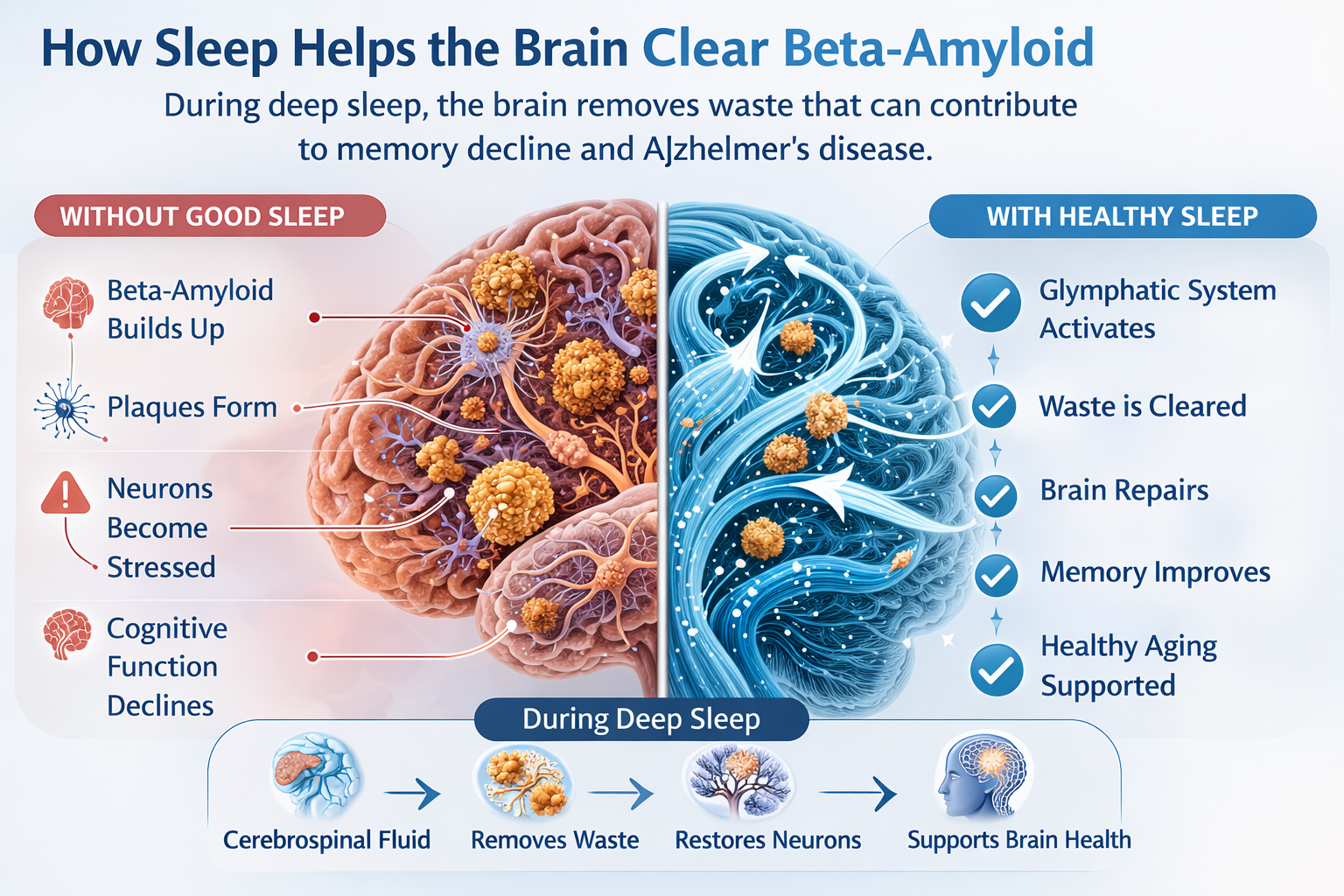
One of the substances cleared during this process is beta-amyloid, a protein fragment that naturally forms during normal brain activity.
In healthy conditions beta-amyloid is produced and removed continuously. However, when it begins to accumulate and form plaques between neurons, it has been strongly associated with the development of Alzheimer’s disease.
Another protein known as tau can also accumulate within brain cells when clearance processes become less efficient. Abnormal tau proteins interfere with the internal structure of neurons and are also linked to neurodegenerative disease.
Sleep appears to play a critical role in preventing these proteins from building up.
Research using brain imaging techniques has shown that even a single night of sleep deprivation can temporarily increase beta-amyloid levels in certain regions of the brain. Over longer periods, consistently poor sleep may reduce the brain’s ability to clear these substances efficiently.
This does not mean that poor sleep directly causes Alzheimer’s disease, but growing evidence suggests that sleep quality may influence long-term brain resilience.
In other words, sleep may help maintain the brain’s housekeeping system.
Sleep also plays an essential role in memory consolidation.
During certain stages of sleep — particularly slow-wave sleep and REM sleep — the brain processes and organises information gathered during the day. Neural connections involved in important memories are strengthened, while unnecessary information is filtered out.
This process helps stabilise learning and supports cognitive performance.
When sleep becomes fragmented or insufficient, this consolidation process becomes less efficient.
Many people recognise the effects in everyday life: difficulty concentrating, slower thinking, forgetfulness, or the feeling commonly described as brain fog.
Over time, persistent sleep disruption may contribute to broader cognitive decline by interfering with both brain repair and memory processing.
For this reason, maintaining healthy sleep patterns is increasingly viewed as an important factor in protecting long-term brain health and cognitive function.
Sleep allows the brain not only to rest, but to clean, organise, and restore itself for the day ahead.
Why Sleep Changes As We Age
Many people notice that their sleep begins to change as they get older. They may feel sleepy earlier in the evening, wake earlier in the morning, or find their sleep becomes lighter and more easily disturbed.
These changes are common and are largely driven by shifts in the body’s internal biological clock, known as the circadian rhythm.
The circadian rhythm is a roughly 24-hour cycle that regulates many processes in the body, including sleep, hormone release, body temperature, and metabolism. This internal clock is strongly influenced by light exposure, particularly natural daylight. When daylight reaches specialised receptors in the eyes, signals are sent to a region of the brain called the suprachiasmatic nucleus, which helps synchronise the body’s daily rhythms.
In younger adults, this system tends to produce a fairly stable sleep pattern. As the evening progresses the body begins preparing for sleep, and in the morning it gradually shifts toward wakefulness.
As we age, however, this rhythm often moves slightly earlier.
This means the body begins producing sleep signals earlier in the evening and may naturally wake earlier in the morning. Many older adults therefore find themselves becoming sleepy earlier than they once did and waking up before sunrise even if they would prefer to sleep longer.
Another factor influencing sleep timing is the hormone melatonin.
Melatonin is produced by the pineal gland in the brain and is sometimes referred to as the body’s “darkness signal.” As evening approaches and light levels fall, melatonin production increases. This signals to the body that it is time to prepare for sleep.
Melatonin does not directly cause sleep in the way a sleeping pill might. Instead, it helps regulate the body’s internal clock and promotes the conditions that allow sleep to occur naturally.
With increasing age, the body often produces slightly lower levels of melatonin, and the timing of its release can become less precise. This may contribute to lighter sleep and more frequent awakenings during the night.
Changes also occur in the structure of sleep itself.
Sleep is divided into several stages that cycle throughout the night. One of the most important is deep sleep, sometimes called slow-wave sleep. This stage of sleep is particularly important for physical restoration.
During deep sleep, growth hormone is released, helping repair tissues and support muscle maintenance. Blood pressure and heart rate fall, allowing the cardiovascular system to recover. The immune system also carries out important regulatory processes during this stage.
Deep sleep is therefore closely linked with physical recovery and cellular repair.
As people age, the proportion of time spent in deep sleep tends to decline slightly. Even if the total number of hours spent in bed remains similar, a smaller proportion of that time may be spent in the deepest restorative stages of sleep.
This is one reason why sleep can sometimes feel less refreshing with age.
Lifestyle factors can also influence how these biological changes affect sleep quality.
Lower levels of physical activity, reduced exposure to natural daylight, and irregular sleep schedules can all disrupt circadian rhythms and further fragment sleep. Conversely, regular daytime movement, outdoor light exposure, and consistent sleep routines help reinforce the body’s natural sleep-wake cycle.
The encouraging news is that many of these factors are modifiable.
By supporting the body’s natural circadian rhythm through movement, light exposure, and regular sleep habits, it is often possible to improve sleep quality even as natural biological changes occur.
In other words, while sleep may evolve as we age, it does not have to deteriorate.

The Role of Physical Activity in Sleep Quality
Movement during the day is one of the most effective ways to support healthy sleep.
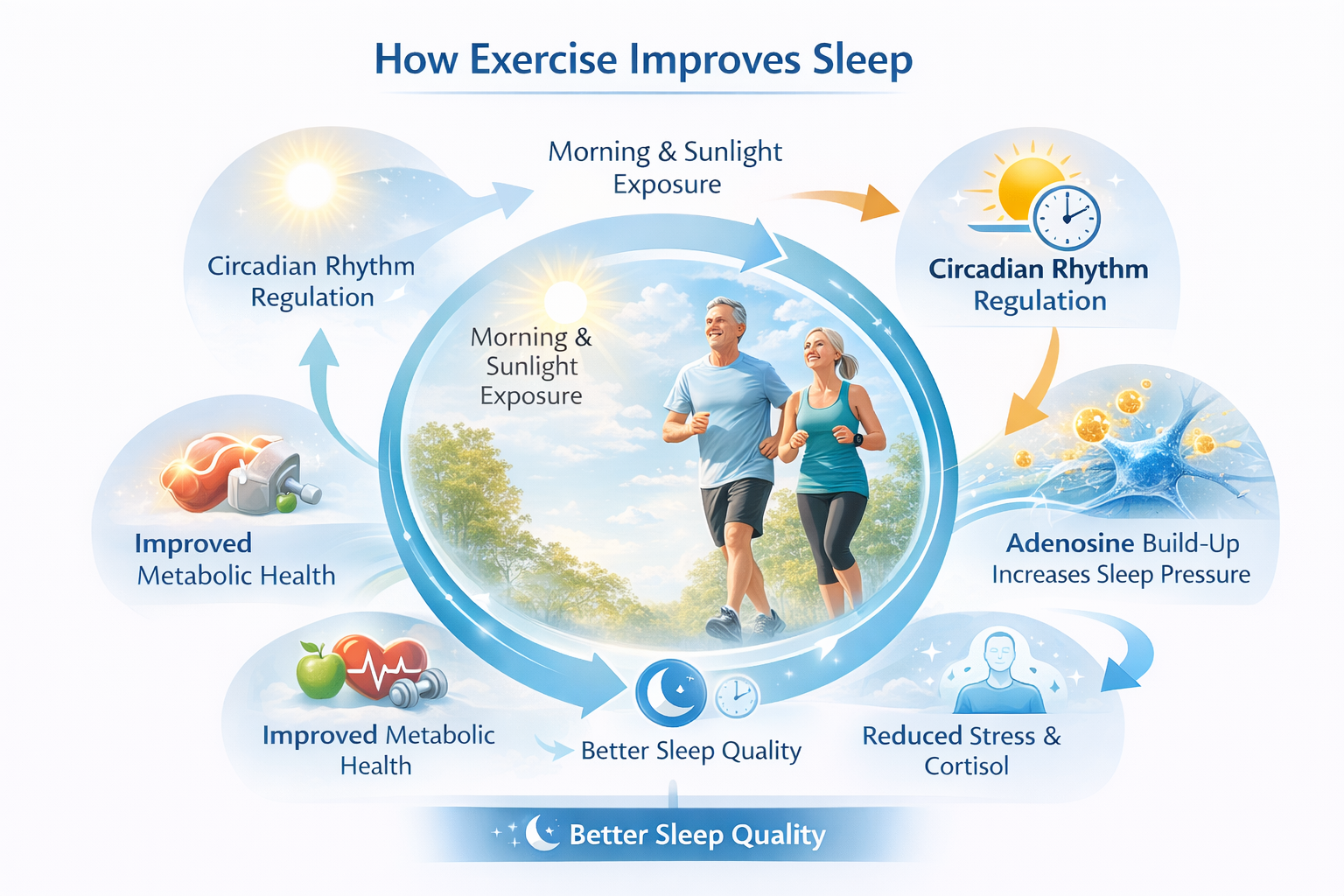
Regular physical activity influences several biological systems that help regulate the body’s sleep–wake cycle. One of the most important is the circadian rhythm, the internal clock that controls when the body feels alert and when it becomes ready for sleep.
Circadian rhythms are strongly influenced by signals from the environment, particularly light exposure and physical activity. When the body experiences regular movement during the day, it reinforces the natural pattern of being active during daylight hours and resting at night. This helps the brain maintain a stable daily rhythm.
Exercise also increases what scientists call sleep pressure.
Throughout the day the brain gradually accumulates a molecule known as adenosine, a by-product of normal cellular activity. As adenosine levels rise, the body becomes progressively sleepier. Physical activity accelerates this process by increasing energy use within cells, helping the body build a stronger natural drive for sleep later in the evening.
This is one reason people often fall asleep more easily after an active day.
Physical activity also influences sleep indirectly through its effects on metabolic health.
Regular movement improves insulin sensitivity and helps stabilise blood sugar levels. When blood glucose fluctuates dramatically — particularly after meals high in refined carbohydrates — the body may experience hormonal responses that interfere with sleep quality. By improving glucose regulation and reducing systemic inflammation, regular exercise helps create a more stable internal environment that supports restorative sleep.
Exercise also plays an important role in regulating stress and the nervous system.
Moderate physical activity reduces levels of circulating stress hormones such as cortisol while stimulating the release of endorphins and other neurotransmitters associated with relaxation and wellbeing. Over time this helps shift the body away from a chronic “fight or flight” state and toward a more balanced nervous system that is better able to transition into sleep.
Outdoor exercise may provide an additional benefit.
Natural daylight is one of the strongest signals controlling the circadian rhythm. Exposure to morning and daytime sunlight helps synchronise the body’s internal clock by regulating the timing of melatonin release later in the evening. When people spend more time outdoors during the day, their circadian rhythm tends to become more stable, which often leads to improved sleep quality at night.
This combination of movement and daylight exposure is one reason traditional cultures — and many of the communities studied in so-called Blue Zone regions — often experience healthy and consistent sleep patterns.
Their daily routines naturally combine regular physical activity, time outdoors, and exposure to natural light, all of which reinforce the body’s biological rhythms.
In modern lifestyles, where many people spend long hours indoors and sitting for extended periods, these natural signals are often weaker.
Restoring regular movement — particularly outdoors — can therefore have a surprisingly powerful effect on sleep.
Nutrition and Sleep
Diet can also play an important role in sleep quality.
One of the main reasons involves the way certain foods influence blood sugar regulation. After a meal containing large amounts of refined carbohydrates or sugars, blood glucose levels can rise rapidly. In response, the body releases insulin to move that glucose from the bloodstream into cells.
When this rise is followed by a rapid drop in blood sugar a few hours later, the body may trigger the release of stress hormones such as adrenaline and cortisol in order to stabilise blood glucose levels.
These hormonal responses can occur during the night, particularly after high-sugar evening meals or desserts.
When this happens, the body may briefly shift into a more alert state. Many people experience this as waking suddenly during the night, feeling restless, or having difficulty returning to sleep.
Stable blood sugar levels therefore play an important role in maintaining uninterrupted sleep.
Dietary patterns that emphasise whole foods, fibre, healthy fats, and balanced protein intake tend to produce slower and more stable changes in blood glucose, helping the body maintain a calm physiological environment during the night.
Alcohol can also interfere with sleep quality.
Although alcohol may initially make people feel sleepy, it disrupts the normal structure of sleep cycles later in the night. It tends to reduce the amount of deep sleep and REM sleep, both of which are important for physical recovery and cognitive processing.
Nutrition also influences sleep through its effects on neurotransmitters, the chemical messengers used by the brain to regulate mood, relaxation, and sleep.
One important nutrient is tryptophan, an amino acid found in foods such as turkey, eggs, dairy products, seeds, and legumes. Tryptophan is used by the body to produce serotonin, a neurotransmitter involved in mood regulation and relaxation. Serotonin can then be converted into melatonin, the hormone that signals the body that it is time to sleep.
Another important nutrient is magnesium.
Magnesium is a mineral involved in hundreds of biochemical reactions in the body. In the context of sleep, it helps regulate the activity of the nervous system by supporting receptors in the brain that promote relaxation. Magnesium also plays a role in regulating the hormone melatonin and may help reduce excessive activation of the stress response.
Foods rich in magnesium include leafy green vegetables, nuts, seeds, legumes, and whole grains.
Omega-3 fatty acids, commonly found in oily fish such as salmon, sardines, and mackerel, may also support sleep quality. Omega-3 fats contribute to healthy brain cell membranes and influence the production of neurotransmitters involved in mood and relaxation. They also have anti-inflammatory effects, which may indirectly support sleep by reducing the chronic inflammatory signals that can interfere with normal sleep regulation.
These nutrients are naturally abundant in dietary patterns such as the Mediterranean diet, which emphasises vegetables, whole grains, legumes, olive oil, nuts, and fish.
While diet alone cannot solve every sleep problem, it forms an important part of the broader lifestyle environment that supports recovery. When meals provide stable energy, essential nutrients, and support for the nervous system, the body is better prepared to enter the restorative stages of sleep.

The Role of Recovery in Healthy Aging
Sleep is the most important part of the body’s recovery system, but it is not the only one.
Throughout the day the body is constantly responding to physical and mental demands. Physical activity places small stresses on muscles and joints. The brain processes information, solves problems, and manages emotions. The immune system remains alert to potential threats.
These demands are a normal part of life. In fact, the body is designed to respond to them.
What allows the body to remain healthy over time is its ability to repair, adapt, and restore balance after these stresses occur.
This process is often referred to as recovery.
In younger years the body tends to recover quickly and quietly. Muscle tissue repairs itself efficiently, energy levels bounce back easily, and the nervous system returns to a relaxed state without much effort.
As we age, however, these processes can become slightly less efficient.
Recovery still occurs, but the body may need more consistent support to maintain the same balance.
Without adequate recovery, small stresses begin to accumulate. Energy levels may feel lower, sleep may become lighter, and the body may feel slower to bounce back after illness, injury, or physical exertion.
Many people interpret these changes simply as “getting older.”
In reality, they often reflect an imbalance between stress and restoration.
Physical training, daily responsibilities, emotional stress, and environmental pressures all place demands on the body. Recovery allows the body to adapt to those demands and become stronger, more resilient, and better able to cope with future challenges.
Without sufficient recovery, the body remains in a more alert state for longer periods. Stress hormones stay elevated, inflammation may increase, and sleep quality may decline.
Fortunately, recovery does not require complicated routines.
Many of the behaviours that support recovery are simple and familiar: regular sleep, gentle movement, time spent outdoors, social interaction, and periods of relaxation that allow the nervous system to shift away from constant activity.
In many traditional cultures these rhythms occur naturally throughout the day. Work is balanced with rest, meals are shared with others, and time outdoors forms part of daily life.
These patterns create a natural cycle of activity followed by restoration.
In the context of healthy aging, recovery is not about doing less.
It is about allowing the body the time and conditions it needs to repair itself, regulate inflammation, and maintain the energy required to stay active and engaged in life.
The Bigger Picture
Sleep is sometimes treated as a luxury — something that can be sacrificed in a busy life or replaced with an extra cup of coffee the following morning.
In reality, it is one of the most powerful biological processes the body relies on to maintain long-term health.
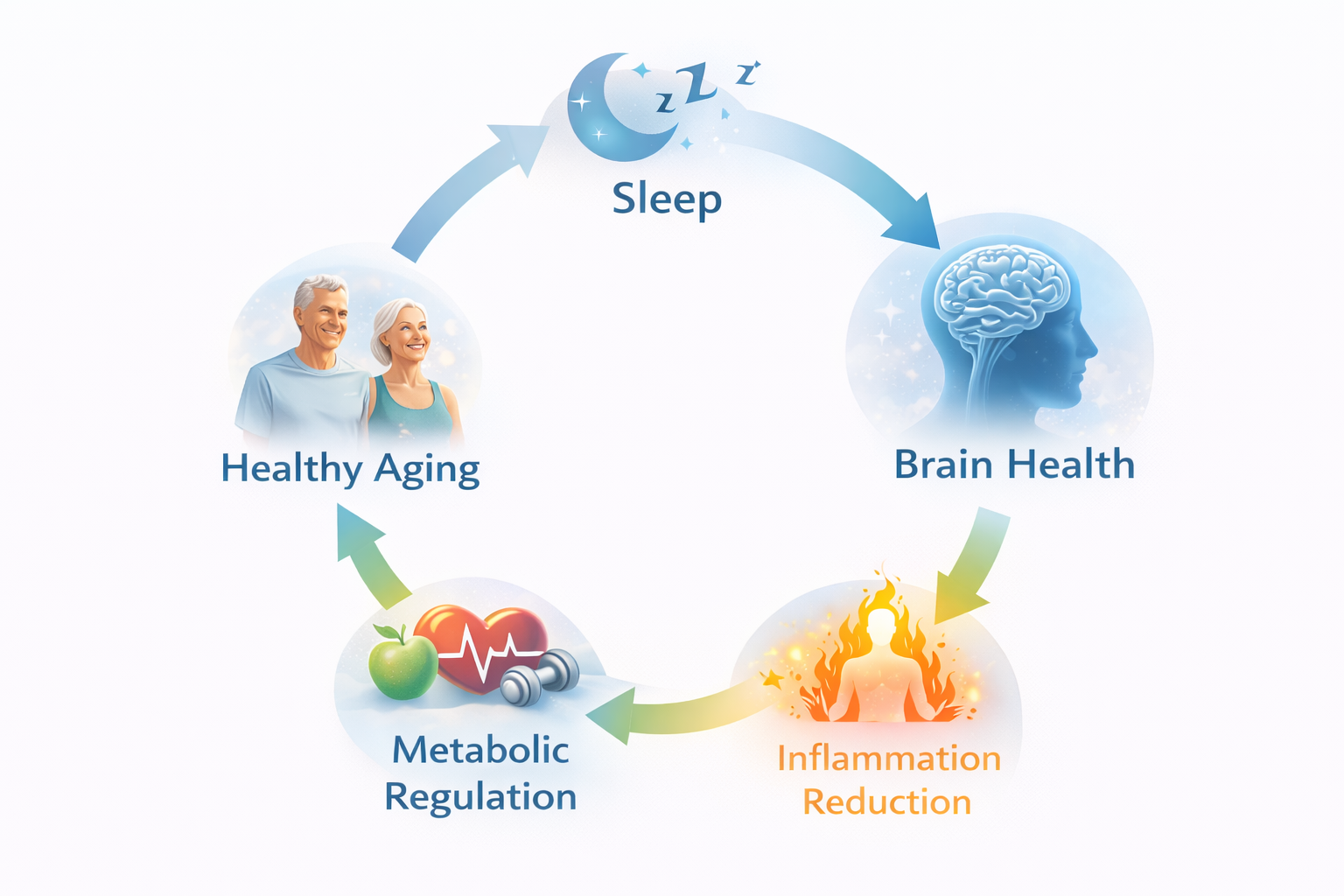
Throughout this article we have seen that sleep influences far more than simply how rested we feel the next day. During the night the brain clears metabolic waste and regulates memory. Muscles repair the small stresses of daily activity. Hormones shift into patterns that support restoration rather than stress.
The immune system recalibrates its balance between inflammation and repair.
In other words, sleep is one of the body’s most important maintenance periods.
When sleep is consistent and restorative, these processes work quietly in the background. Energy levels remain stable, the mind feels clearer, and the body is better able to recover from both physical exertion and the demands of everyday life.
When sleep becomes fragmented or insufficient, however, these systems begin to drift slightly out of balance.
Inflammatory signals may remain elevated for longer. Hormonal rhythms become less stable. Blood sugar regulation becomes more difficult. The brain has less time to clear metabolic waste and consolidate memory.
None of these changes occurs overnight.
But over years and decades, the quality of sleep we obtain can influence many of the biological processes that shape how we age.
For individuals who wish to remain active, independent, and mentally sharp as the years progress, sleep becomes increasingly valuable.
Exercise strengthens the body. Nutrition provides the building blocks for health. But sleep is where much of the repair and restoration actually occurs.
Healthy aging therefore involves more than simply doing more.
It involves creating the conditions in which the body can recover, repair, and maintain balance across the decades.
Regular movement, exposure to natural daylight, balanced nutrition, meaningful social connection, and consistent sleep routines all contribute to this internal balance.
When these habits work together, the body is better able to regulate inflammation, maintain energy production, protect brain function, and preserve physical capability.
Sleep is the foundation that allows many of these systems to function properly.
It is not simply the absence of activity.
It is the time when the body quietly carries out some of its most important work — preparing us to wake the next day with the energy, clarity, and resilience needed to remain active participants in our lives.