
For much of the last century, aging was viewed primarily as a process of gradual wear and tear. The body simply became less efficient over time.
Organs slowed down. Muscles weakened. Joints stiffened.
Modern research has revealed a more complex picture.
Many of the chronic diseases associated with aging — heart disease, type 2 diabetes, arthritis, cognitive decline, and even certain cancers — appear to share a common underlying driver: chronic low-grade inflammation.
Scientists now refer to this phenomenon as inflammaging.
Unlike the acute inflammation that helps the body heal from injury or infection, inflammaging is subtle and persistent. It is not something most people feel directly. Instead, it operates quietly in the background, influencing the biological environment inside our tissues and organs over many years.
Understanding inflammaging changes the way we think about healthy aging.
It shifts the focus away from simply treating disease toward managing the internal conditions that allow disease to develop.
What Inflammation Actually Is
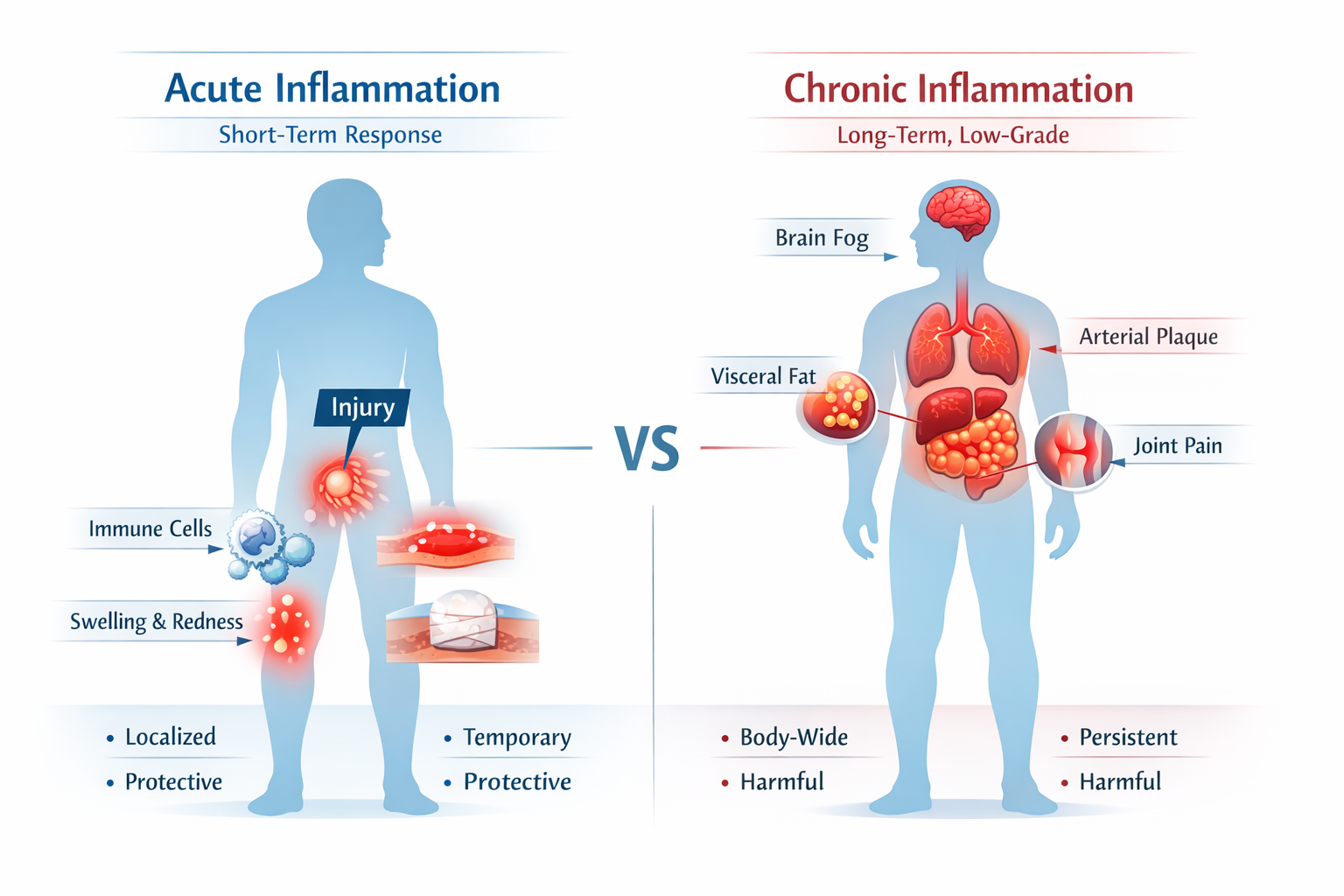
Inflammation is often spoken about negatively, but it is not inherently harmful. In fact, it is one of the body’s most important protective mechanisms.
When you cut your finger, twist an ankle, or develop an infection, the immune system triggers an inflammatory response. Blood flow increases to the affected area, immune cells arrive to remove damaged tissue or invading microbes, and chemical signals coordinate the repair process.
This type of inflammation is acute and temporary. Once healing has taken place, the immune system switches the response off.
Problems arise when inflammation does not fully resolve.
In many individuals, particularly as they age, a mild inflammatory state can persist throughout the body even when there is no obvious injury or infection. Levels of inflammatory markers such as C-reactive protein (CRP) and inflammatory cytokines gradually rise.
This chronic, low-grade inflammation is what researchers describe as inflammaging.
Why Inflammation Increases With Age
There is no single cause of inflammaging. Instead, it develops gradually as several biological processes change over time.
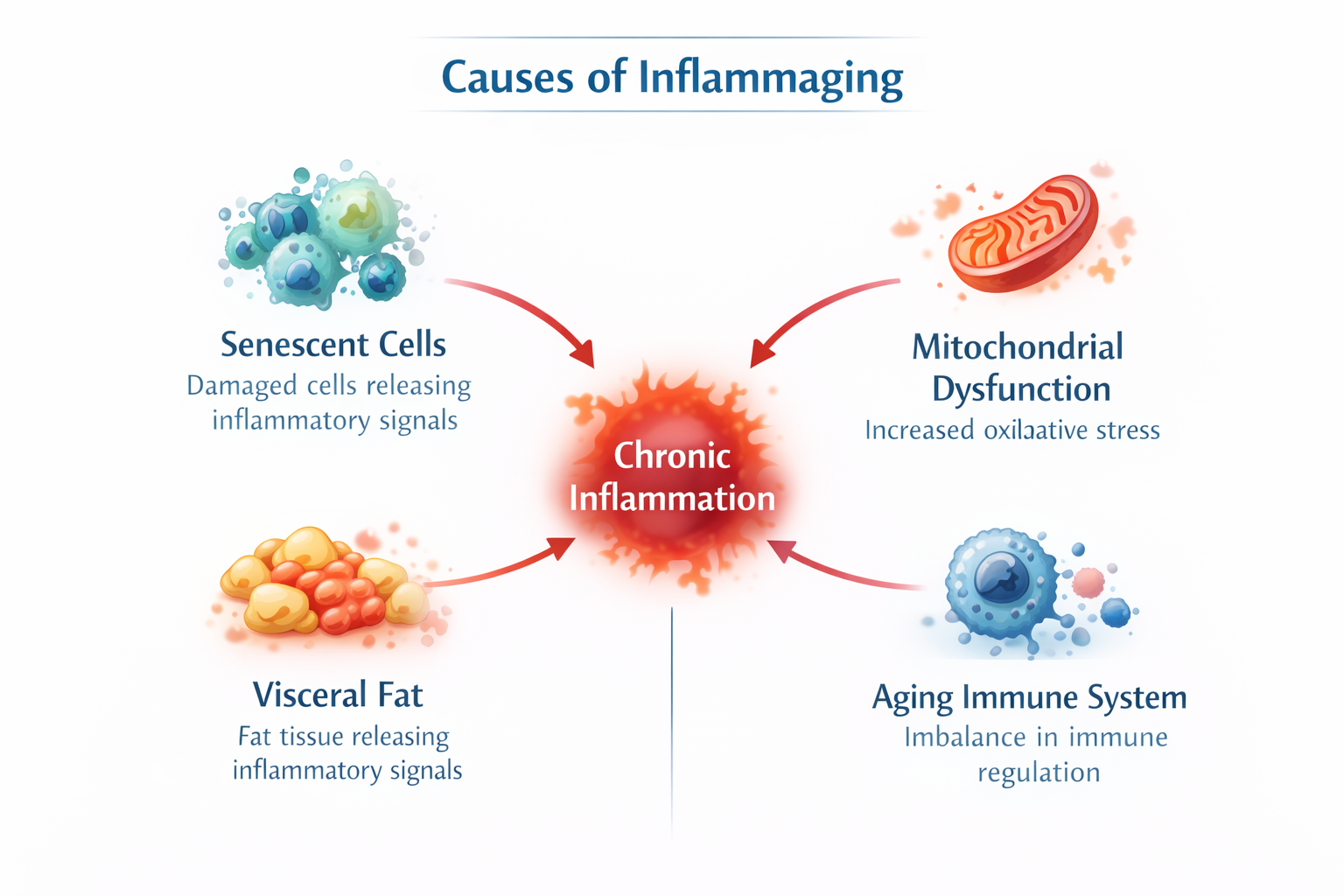
One of the most important contributors is the accumulation of senescent cells.
Throughout life, the body constantly produces new cells while old or damaged cells are repaired or replaced. In younger years this process works efficiently. Cells that become damaged are either repaired or removed by the immune system and replaced with healthy new cells.
As we age, however, some cells enter a state known as cellular senescence. These cells are no longer able to divide and function normally, but they do not die or disappear either. Instead, they remain within tissues and begin releasing chemical signals that influence the surrounding environment.
Scientists sometimes refer to senescent cells as “zombie cells.” They are not functioning properly, yet they remain active in ways that can disrupt nearby healthy cells.
One of the most important things these cells release are inflammatory signalling molecules. These signals are meant to alert the immune system that something needs attention, but when large numbers of senescent cells accumulate, the constant signalling contributes to a background level of inflammation throughout the body.
Another important contributor to inflammaging is mitochondrial dysfunction.
Mitochondria are the tiny structures inside our cells responsible for producing energy in the form of ATP.
When mitochondria function well, energy production is efficient and cells operate smoothly.
Over time, however, mitochondria can become less efficient. They may produce energy less effectively and generate more oxidative stress, which is a form of cellular damage caused by unstable molecules known as free radicals.
When oxidative stress increases, cells activate defensive responses to protect themselves. One of those responses involves inflammatory signalling. In this way, declining mitochondrial efficiency can contribute to the low-grade inflammatory state seen in aging.
Body composition also plays a significant role.
Not all body fat behaves the same way. Visceral fat, the fat stored deep inside the abdomen around internal organs, is metabolically active. Unlike the fat just beneath the skin, visceral fat produces and releases inflammatory compounds known as cytokines into the bloodstream.
When visceral fat levels increase — often due to inactivity, poor diet, or metabolic changes that occur with aging — these inflammatory signals rise as well. This can contribute to insulin resistance, cardiovascular disease risk, and the overall inflammatory burden within the body.
Finally, the immune system itself changes with age.
In younger individuals, the immune system responds quickly to threats and then shuts the inflammatory response down once the problem has been resolved. As the immune system ages, this regulation becomes less precise.
Some aspects of immunity become weaker, making it harder to fight infections effectively. At the same time, other parts of the immune system remain slightly overactive, producing inflammatory signals even when they are no longer needed.
This imbalance means the body becomes less efficient at turning inflammation off once it has been activated.
Individually, each of these processes — senescent cell accumulation, mitochondrial decline, increased visceral fat, and changes in immune regulation — may appear relatively small.
But together they create a biological environment in which inflammation becomes slightly elevated and more persistent.
This low-level inflammatory state may not cause immediate symptoms. However, over many years it can influence the development of many of the conditions we associate with aging, from cardiovascular disease to muscle loss and cognitive decline.
Understanding these mechanisms helps explain why lifestyle habits such as exercise, nutrition, sleep, and stress management have such a powerful influence on long-term health.
They do not eliminate aging.
But they help slow the biological processes that accelerate it.
How Inflammation Affects Muscle — and Why Muscle Protects the Body
One of the less obvious consequences of chronic inflammation is its effect on muscle tissue.
Muscle is constantly renewing itself. After physical activity or protein intake, the body activates a process called muscle protein synthesis, where damaged muscle fibres are repaired and new proteins are built to make the muscle stronger.
This process relies on anabolic signals — biological signals that tell the body to build and repair tissue. Exercise, dietary protein, and hormones such as insulin and growth hormone all contribute to these anabolic signals.
However, when chronic inflammation is present, these signals become less effective.
The immune system releases chemical messengers called inflammatory cytokines. Cytokines are small proteins that immune cells use to communicate with each other during injury or infection. In short bursts they are helpful, coordinating the body’s defence and repair processes.
But when cytokine levels remain elevated for long periods — as happens with chronic inflammation — they begin to interfere with muscle maintenance. They can increase the rate at which muscle proteins are broken down while simultaneously reducing the body’s ability to build new muscle tissue.
Over time this imbalance contributes to sarcopenia, the gradual loss of muscle mass and strength that often occurs with aging. This process tends to accelerate in individuals with conditions such as obesity, type 2 diabetes, or metabolic syndrome, all of which are associated with higher levels of chronic inflammation.
Yet muscle is not just a victim of inflammation. In many ways, it is one of the body’s most powerful tools for controlling it.
Healthy muscle tissue plays an important role in glucose regulation, which refers to how efficiently the body manages blood sugar. Muscle acts like a storage site for glucose. When muscles are active and well developed, they absorb glucose from the bloodstream and use it as fuel.
This helps prevent large spikes in blood sugar and improves insulin sensitivity, which reduces strain on the metabolic system.
Muscle also supports metabolic flexibility, the body’s ability to switch smoothly between burning carbohydrates and burning fat for energy. When metabolic flexibility is strong, the body can adapt easily to changes in activity levels and energy demand.
When metabolic flexibility declines — often as a result of inactivity, muscle loss, or poor metabolic health — energy production becomes less efficient. People may experience unstable energy levels, fatigue during moderate activity, and increased risk of metabolic disease.
Muscle also communicates with the rest of the body in another remarkable way.
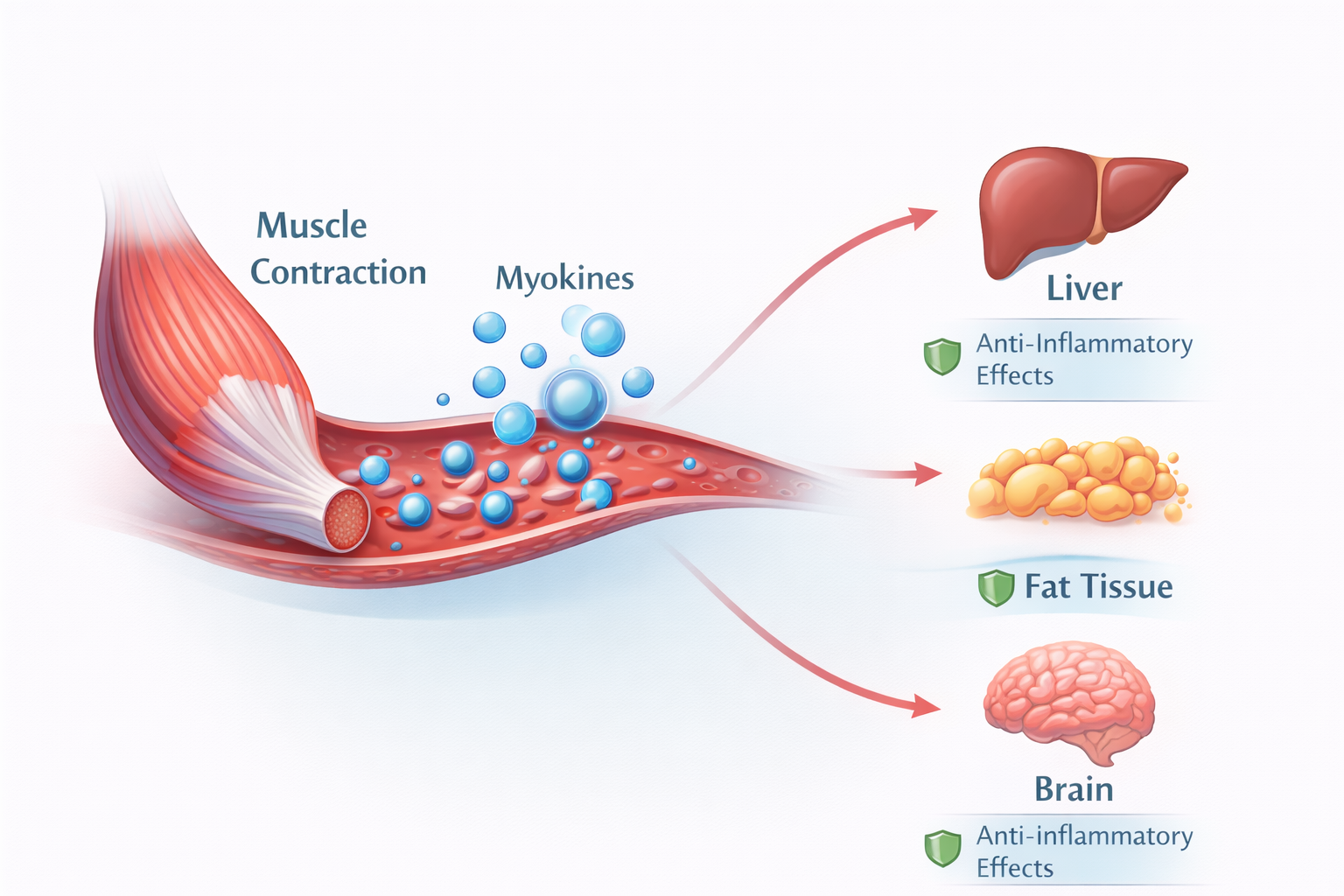
When muscles contract during exercise, they release signalling molecules known as myokines. These molecules travel through the bloodstream and influence other tissues, including the liver, fat tissue, blood vessels, and even the brain.
Many myokines have anti-inflammatory effects. They help regulate immune responses, improve metabolic health, and counteract some of the inflammatory signals produced by excess fat tissue.
This means that muscle is not simply responsible for movement. It functions almost like an endocrine organ, sending chemical signals that help regulate inflammation throughout the body.
When muscle mass declines, these protective signals decline as well.
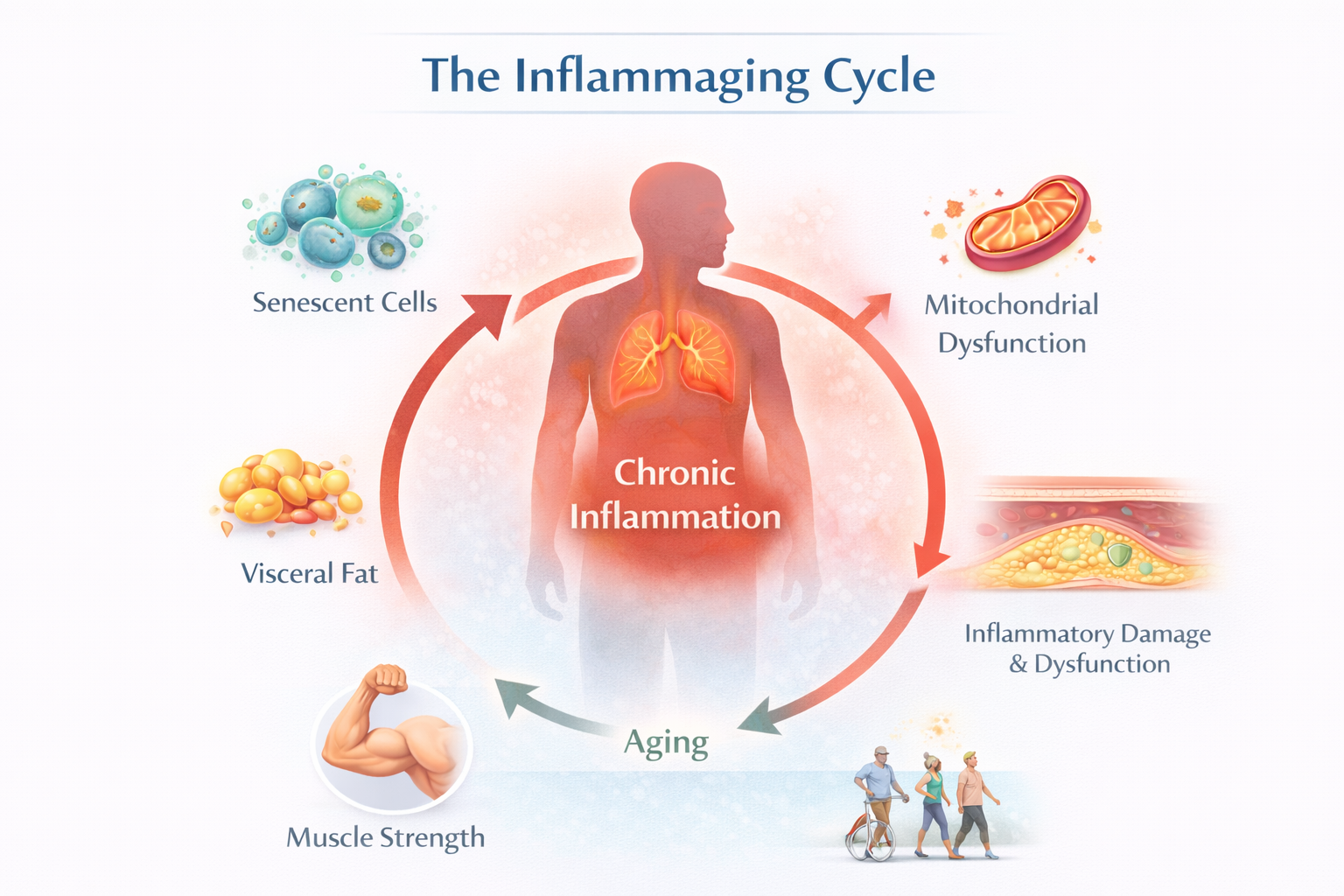
The relationship between muscle and inflammation therefore becomes a cycle.
- Chronic inflammation contributes to muscle loss.
- Reduced muscle mass worsens metabolic health.
- Poor metabolic health increases inflammation.
Breaking this cycle requires addressing both sides of the equation.
Reducing inflammation through lifestyle changes is important, but so is preserving muscle through regular resistance training, adequate protein intake, and consistent physical activity.
Together, these strategies help restore the balance between inflammation and repair that allows the body to remain strong and resilient as it ages.
Cardiovascular Disease and the Inflammatory Model
For many years, cardiovascular disease was viewed primarily through the lens of cholesterol.
The traditional explanation was simple: cholesterol builds up in the arteries, forming plaques that gradually narrow blood vessels and increase the risk of heart attacks or strokes.
While cholesterol still plays an important role, modern research has revealed that the process is more complex. Scientists now recognise that atherosclerosis — the buildup of plaque inside arteries — is not simply a cholesterol problem. It is an inflammatory process.
To understand why, it helps to first understand what cholesterol actually is.
Cholesterol is a waxy, fat-like substance that the body uses to build cell membranes, produce hormones, and synthesise vitamin D. Most cholesterol is produced naturally by the liver, although some also comes from the foods we eat.
Because cholesterol does not dissolve easily in blood, it must be transported through the bloodstream inside particles called lipoproteins.
One of the most well-known of these particles is LDL, or low-density lipoprotein.
LDL is often referred to as “bad cholesterol,” but this description can be misleading. LDL itself is not harmful in small amounts. In fact, it plays an important role in delivering cholesterol to tissues where it is needed.
Problems arise when LDL particles become elevated in the bloodstream for long periods of time.
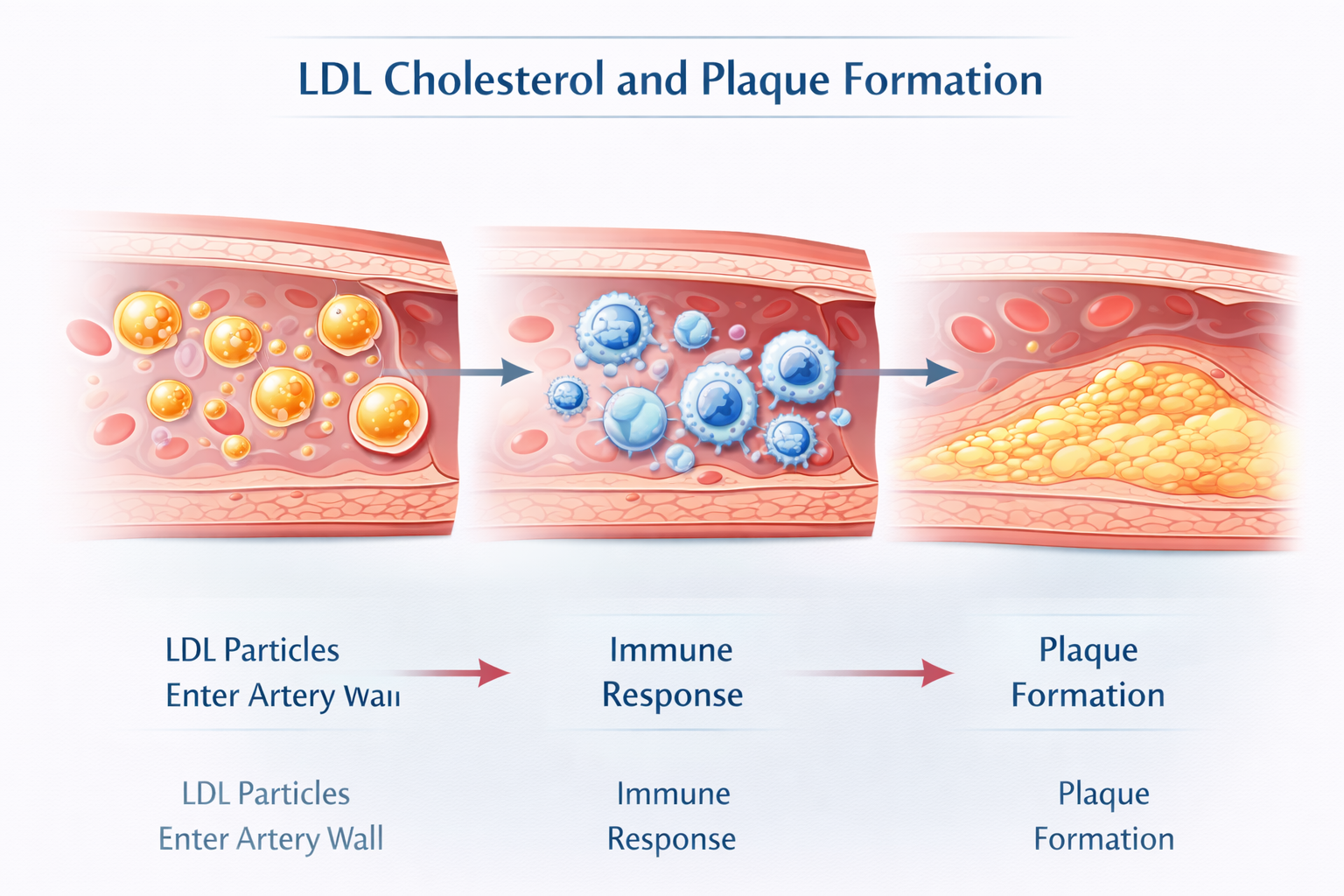
When LDL particles circulate in excess, they can enter the inner lining of artery walls. Over time these particles may become oxidised, meaning they are chemically altered by oxidative stress. Once oxidised, the immune system recognises them as damaged and triggers an inflammatory response.
Immune cells move into the arterial wall to remove these particles. As they accumulate, fatty streaks and plaques begin to develop. Over many years this process can gradually narrow the artery and reduce blood flow.
This inflammatory response is what transforms cholesterol buildup into cardiovascular disease.
In recent years, doctors and researchers have also begun paying closer attention to a related marker known as Apolipoprotein B (ApoB).
ApoB is a protein found on the surface of certain lipoprotein particles, including LDL. Each LDL particle carries one ApoB molecule, which means ApoB is essentially a way of counting how many cholesterol-carrying particles are circulating in the bloodstream.
A helpful way to understand the difference between LDL cholesterol and ApoB is to imagine a fleet of buses.
Think of the LDL particles as the buses and the cholesterol inside them as the passengers.
LDL cholesterol tells us how much cholesterol is being carried in total — in other words, how many passengers are on all the buses combined.
ApoB tells us how many buses are actually on the road.

This matters because two people can have the same LDL cholesterol level, but one may have fewer large buses carrying more cholesterol each, while the other has many smaller buses carrying less cholesterol each.
The second person has more buses travelling through the system, which increases the chance that some of them will enter the artery wall and contribute to plaque formation.
So while LDL cholesterol tells us how much cargo is being transported, ApoB tells us how many vehicles are doing the transporting — and that can give a clearer picture of cardiovascular risk.
For this reason, many cardiologists now consider ApoB to be one of the most useful markers for assessing long-term cardiovascular risk.
While genetics and medical factors influence cholesterol levels, lifestyle remains one of the most powerful tools for managing cardiovascular risk.
Regular aerobic exercise improves cardiovascular fitness, supports mitochondrial health, and helps regulate blood lipids and blood sugar. Physical activity also reduces visceral fat, which lowers inflammatory signalling throughout the body.
Diet also plays a crucial role.
The Mediterranean diet — rich in vegetables, fruits, legumes, olive oil, nuts, whole grains, and fatty fish — has been extensively studied for its cardiovascular benefits. This pattern of eating provides fibre, antioxidants, polyphenols, and healthy fats that help reduce oxidative stress and regulate inflammatory pathways.
Large clinical trials, including the PREDIMED study, have shown that individuals following a
Mediterranean dietary pattern experience significantly lower rates of cardiovascular events.
Together, exercise and a Mediterranean-style diet help regulate several of the biological processes involved in inflammaging: improving metabolic health, reducing visceral fat, lowering oxidative stress, and supporting vascular function.
The goal is not to eliminate cholesterol from the body — which would be impossible and undesirable.
The goal is to maintain a biological environment in which cholesterol transport, immune responses, and inflammation remain balanced.
When that balance is preserved, the risk of cardiovascular disease declines substantially.
The Role of Diet in Regulating Inflammation
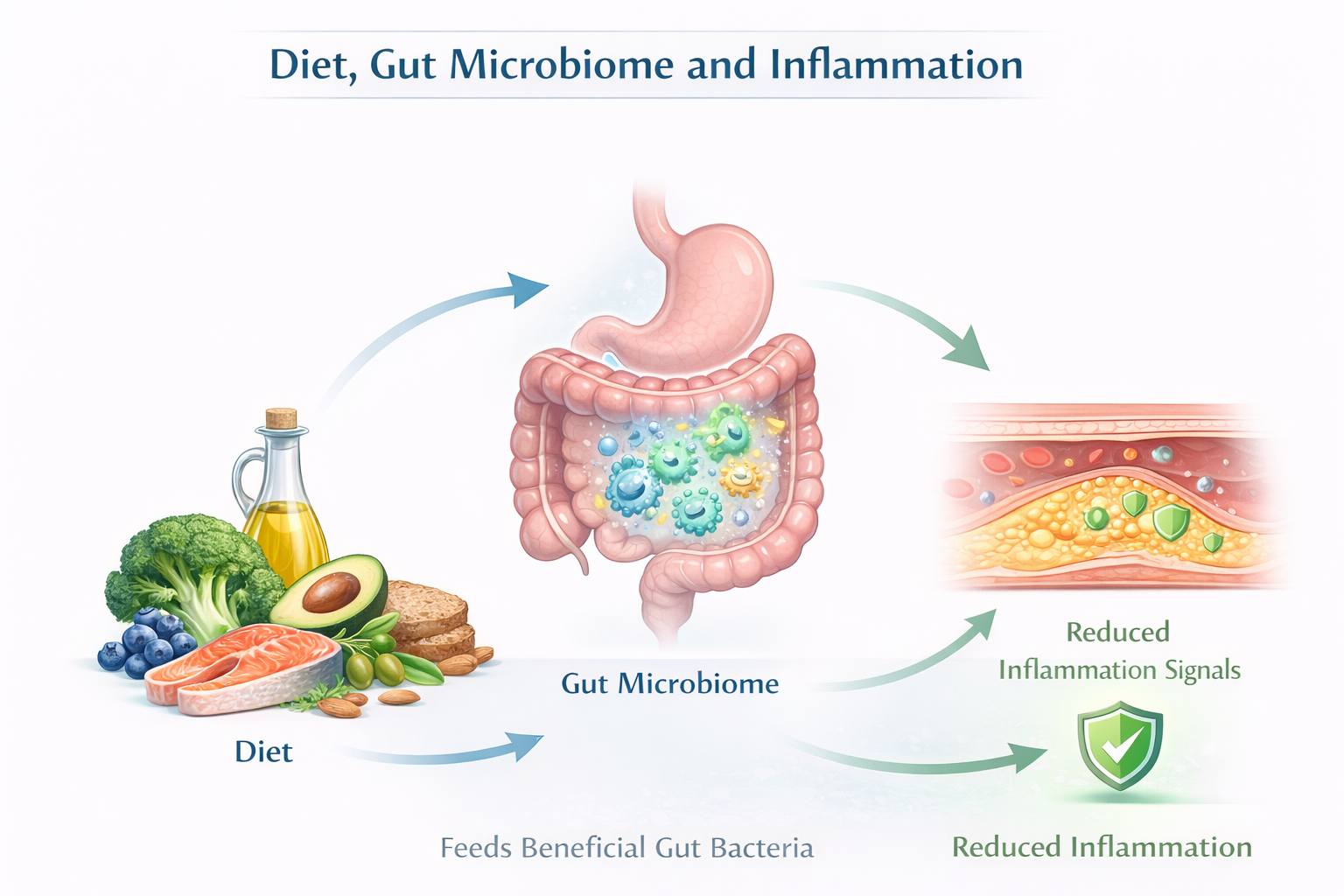
Diet strongly influences the body’s inflammatory environment.
Highly processed foods rich in refined sugars and industrial seed oils can promote oxidative stress and inflammatory signalling. Diets low in fibre and phytonutrients may also negatively affect the gut microbiome, which plays a significant role in immune regulation.
In contrast, dietary patterns rich in whole foods appear to support anti-inflammatory processes.
The Mediterranean diet, in particular, has been widely studied for its ability to reduce inflammatory markers. Olive oil, fatty fish, vegetables, legumes, nuts, and fruits provide polyphenols, omega-3 fatty acids, and antioxidants that influence immune signalling and oxidative stress.
These foods do not eliminate inflammation entirely, but they appear to help regulate the baseline inflammatory tone of the body.
What is oxidative stress, and how do seed oils, refined sugars and highly processed foods cause this.
How does gut micro biome effect inflammation and what is gut micro biome.
What is immune signaling.
How Exercise Helps Regulate Chronic Inflammation
Exercise is sometimes misunderstood when it comes to inflammation.
During physical activity — particularly resistance training or vigorous aerobic exercise — the body briefly increases certain inflammatory markers. This is a normal part of the repair process. Muscles experience small amounts of mechanical stress, and the immune system responds by initiating tissue repair and adaptation.
In the short term, inflammation rises slightly.
But over the long term, the effect of regular exercise is the opposite.
People who exercise consistently tend to have lower levels of chronic inflammation than sedentary individuals.
One of the reasons for this lies in the role of muscle as an active metabolic organ.
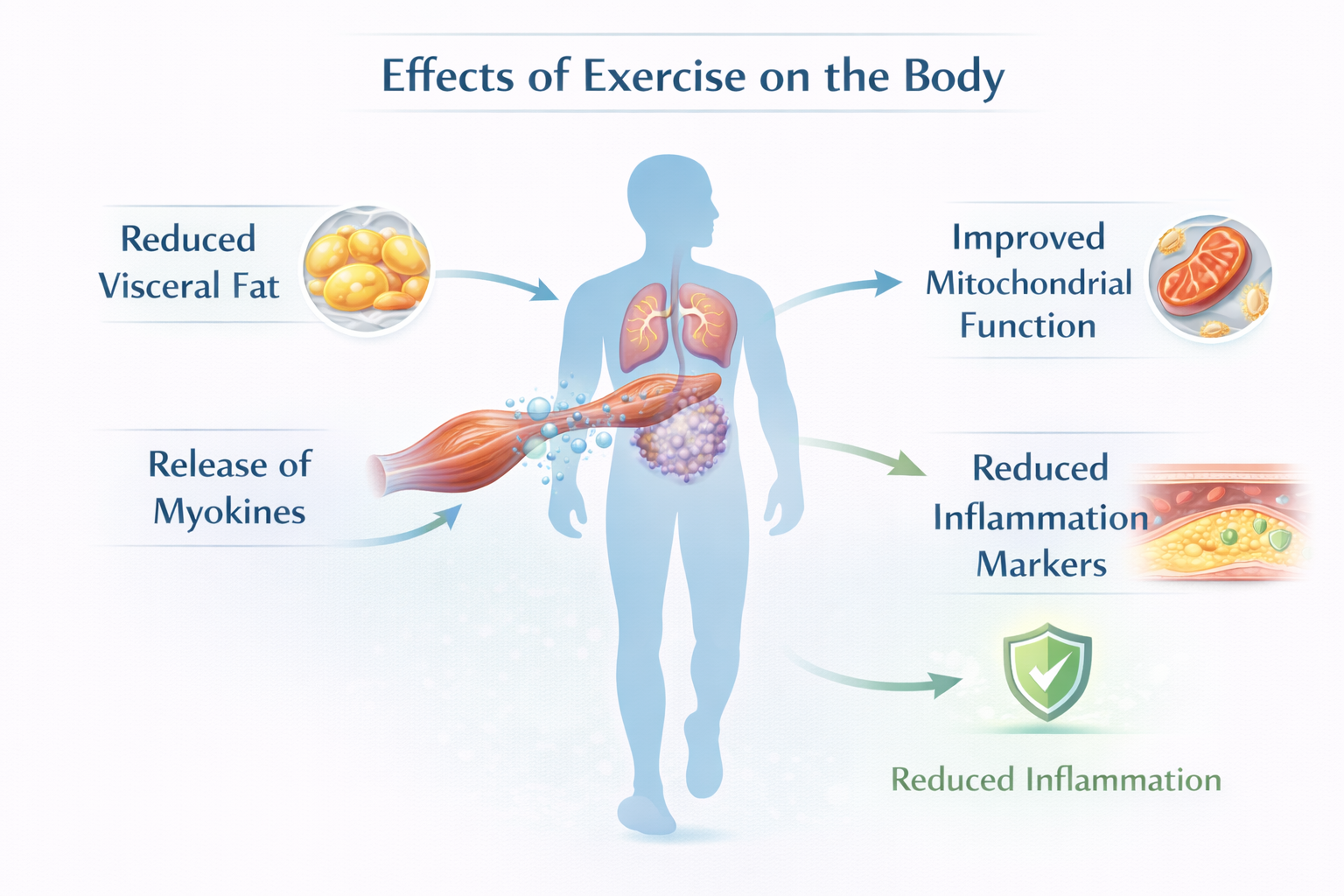
When muscles contract during exercise, they release signalling molecules known as myokines into the bloodstream. These molecules act as chemical messengers, communicating with other tissues throughout the body.
Many myokines have powerful anti-inflammatory effects. They help regulate immune activity, improve metabolic health, and counteract inflammatory signals produced by visceral fat tissue.
In this way, active muscle acts almost like a natural anti-inflammatory pharmacy.
Exercise also improves mitochondrial health, which plays a central role in the inflammaging process.
Regular aerobic activity stimulates the body to produce more mitochondria within muscle cells and improves their efficiency. When mitochondria function well, cells produce energy more cleanly and generate fewer harmful free radicals. This reduces oxidative stress, one of the drivers of chronic inflammation.
Body composition also improves with regular movement.
Physical activity helps reduce visceral fat, the deep abdominal fat that surrounds internal organs and releases inflammatory cytokines into the bloodstream. Even modest reductions in visceral fat can significantly reduce inflammatory signalling within the body.
Exercise also improves circulation and vascular health.
Better blood flow helps deliver oxygen and nutrients to tissues while supporting the removal of metabolic waste products. Healthy blood vessels are less prone to the inflammatory processes that contribute to cardiovascular disease.
Finally, regular physical activity appears to influence the immune system directly.
Moderate exercise improves immune regulation, helping immune cells respond efficiently to threats while also improving the body’s ability to switch off inflammation once it is no longer needed.
In effect, exercise helps recalibrate the immune system.
This combination of effects — improved mitochondrial function, reduced visceral fat, increased anti-inflammatory myokines, better circulation, and improved immune regulation — explains why physically active individuals consistently show lower baseline levels of inflammatory markers than sedentary individuals.
Importantly, this benefit appears even in people whose body weight does not change significantly.
The protective effects of exercise extend far beyond calorie expenditure.
Movement is not simply a way of maintaining fitness.
It is one of the body’s most powerful tools for restoring balance to the systems that regulate inflammation.
What the Research Shows
A large body of research now supports the role of regular physical activity in reducing chronic inflammation.
One of the most interesting discoveries involves a signalling molecule called interleukin-6 (IL-6). During exercise, contracting muscles release IL-6 into the bloodstream. While IL-6 can act as a pro-inflammatory signal in some situations, when it is released from muscle during exercise it appears to trigger a different response. It stimulates the production of anti-inflammatory molecules that help regulate immune activity and suppress chronic inflammatory pathways.
Researchers sometimes describe this as exercise acting like a natural anti-inflammatory signal within the body.
Long-term studies also show that people who exercise regularly tend to have lower levels of C-reactive protein (CRP), one of the most widely used medical markers of systemic inflammation. Lower CRP levels are associated with reduced risk of cardiovascular disease, metabolic disorders, and other chronic conditions linked to aging.
Large population studies have consistently found that individuals who remain physically active throughout life show lower baseline levels of inflammatory markers, even when body weight or other health factors are similar.
These findings help explain why regular exercise is often described in the medical literature as one of the most effective non-pharmaceutical strategies for reducing chronic inflammation and supporting healthy aging.
Sleep, Stress and the Inflammatory Response
Inflammation is not influenced by diet and exercise alone. The quality of our sleep, recovery, and stress levels also plays an important role in regulating the immune system.
Sleep is one of the body’s most important repair processes. During deep sleep, the brain and immune system coordinate a number of restorative activities. Hormones involved in tissue repair are released, damaged cells are repaired, and immune activity is carefully regulated so that inflammation can be switched off once it has served its purpose.
When sleep is shortened or repeatedly disrupted, this repair process becomes less effective.
Research shows that sleep deprivation increases levels of inflammatory cytokines, including molecules such as interleukin-6 (IL-6) and tumour necrosis factor-alpha (TNF-α). Cytokines are chemical messengers used by the immune system to coordinate inflammation. In short bursts they help the body fight infection and repair tissue.
But when these signals remain elevated for long periods, they contribute to the chronic low-grade inflammation associated with many age-related diseases.
Several mechanisms explain why this occurs.
First, insufficient sleep disrupts the body’s circadian rhythm, the internal biological clock that regulates hormone release, immune activity, and metabolism. When this rhythm becomes irregular, immune cells can become more reactive, increasing inflammatory signalling throughout the body.
Second, poor sleep interferes with glucose regulation and insulin sensitivity. Even a few nights of restricted sleep can make the body temporarily less responsive to insulin. Over time this can contribute to metabolic stress, which itself promotes inflammation.
Third, sleep loss increases the production of the stress hormone cortisol.
Cortisol is part of the body’s natural stress response. In healthy circumstances it rises in the morning to help us wake up and gradually falls throughout the day. However, when people experience chronic stress or persistent sleep deprivation, cortisol levels may remain elevated for longer periods.
In the short term cortisol can suppress inflammation, which is why it is sometimes used medically as an anti-inflammatory drug. But when cortisol remains elevated chronically, it begins to disrupt normal immune regulation.
Persistently high cortisol levels can impair immune balance, increase visceral fat accumulation, and interfere with metabolic health. Visceral fat tissue itself releases inflammatory cytokines, further increasing the body’s inflammatory burden.
Over time this combination of disrupted sleep, elevated cortisol, metabolic stress, and increased visceral fat contributes to the chronic inflammatory environment associated with inflammaging.
The effects of this process can be subtle at first but may gradually influence many aspects of health.
People with chronically poor sleep often experience increased fatigue, reduced physical recovery, impaired concentration, and greater susceptibility to metabolic conditions such as type 2 diabetes and cardiovascular disease. Long-term studies also link sleep disruption to higher levels of inflammatory markers and increased risk of cognitive decline.
For this reason, healthy aging cannot be reduced to exercise and diet alone.
Sleep quality, stress management, and recovery behaviours all influence the internal biological environment of the body. When these systems are well supported, the immune system is better able to regulate inflammation and maintain balance across the decades.
Slowing the Inflammatory Drift
Inflammaging is not something that suddenly appears one day. It develops slowly over decades as small biological changes accumulate inside the body.
The encouraging news is that many of the factors influencing this process are strongly affected by lifestyle.
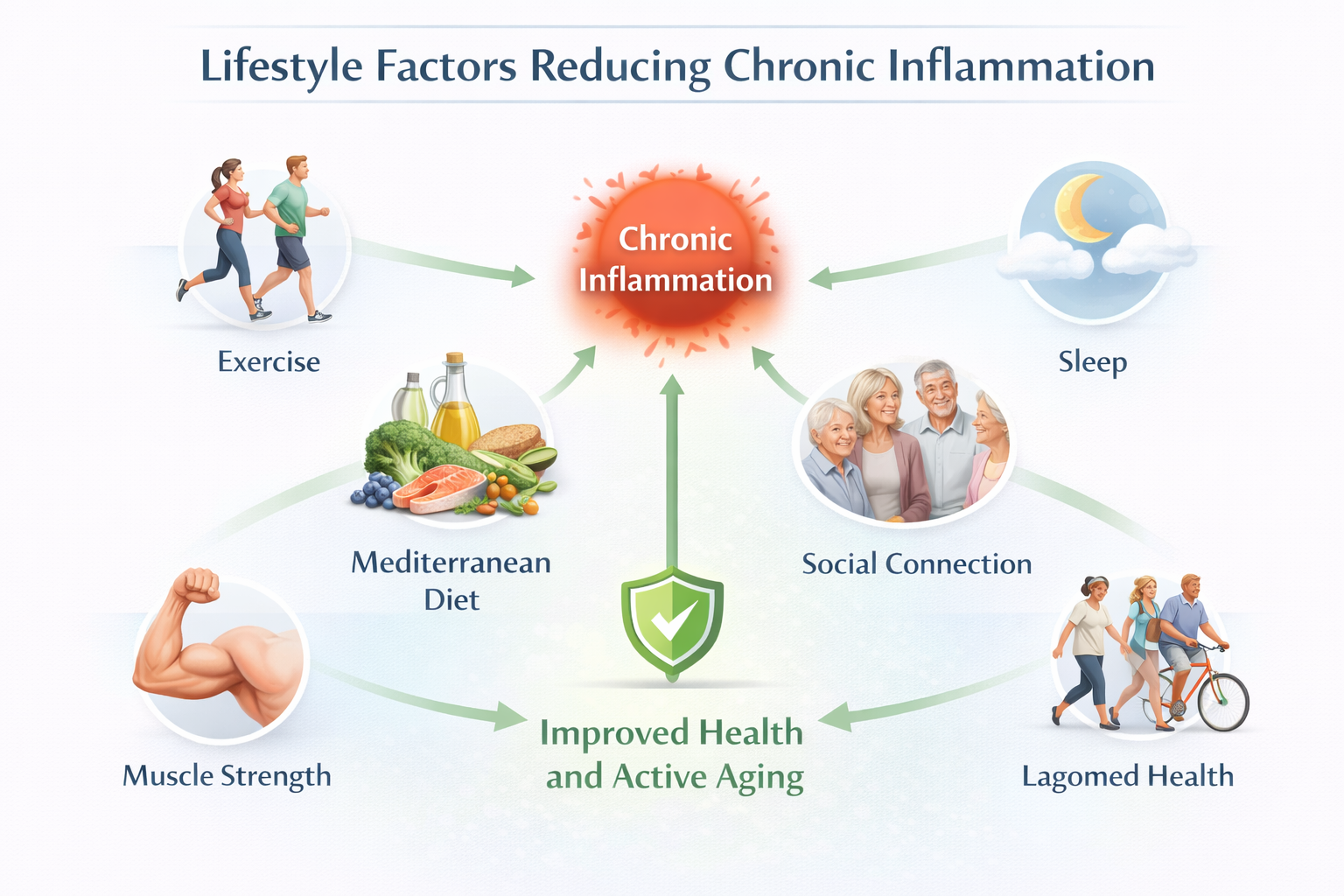
Regular physical activity is one of the most powerful anti-inflammatory signals the body can receive.
When muscles contract during exercise, they release beneficial compounds that help regulate immune activity and improve metabolic health. Exercise also reduces visceral fat and improves mitochondrial function, both of which help lower chronic inflammation.
Strength training is particularly important because it helps preserve muscle mass. As we age, muscle becomes one of the body’s most important defences against metabolic decline and chronic disease.
Diet also plays a major role. A pattern of eating based on whole foods — particularly the Mediterranean diet — provides fibre, healthy fats, antioxidants, and plant compounds that help regulate oxidative stress and support the gut microbiome.
Adequate protein intake helps maintain muscle tissue, while foods rich in omega-3 fats and polyphenols help regulate inflammatory signalling pathways.
Sleep and stress management matter as well. Chronic sleep deprivation and persistent stress increase inflammatory markers in the body and disrupt metabolic regulation.
None of these behaviours acts like a switch that turns inflammation on or off. Instead, they influence the baseline level of inflammation in the body.
Think of it like adjusting the thermostat in a house.
You cannot eliminate heat completely, but you can keep the temperature within a comfortable range. In the same way, healthy habits help keep inflammation balanced rather than constantly elevated.
Over time, that balance makes a significant difference.
The Bigger Picture
Inflammaging offers a useful way to understand many of the health challenges associated with aging.
Rather than viewing heart disease, muscle loss, diabetes, and cognitive decline as completely separate problems, research increasingly shows that many of them share common underlying mechanisms — including chronic low-grade inflammation.
This understanding shifts the focus away from treating problems only after they appear.
Instead, it highlights the importance of maintaining the internal environment of the body — supporting the biological systems that allow us to stay strong, active, and independent.
Muscle strength protects mobility and balance.
Aerobic fitness supports cardiovascular and metabolic health.
Whole foods nourish the gut microbiome and regulate immune signalling.
Sleep and recovery help the body restore balance.
None of these factors works in isolation. Together they influence how inflammation develops over time.
The goal of healthy aging is not simply to live longer.
It is to remain capable — able to move confidently, travel freely, stay mentally sharp, and continue participating fully in life.
Inflammation is part of the body’s natural defence system. But when lifestyle consistently supports the systems that regulate it, the body is far better equipped to maintain health across the decades.
In that sense, healthy aging is not defined by a single intervention.
It is the result of many small choices, repeated consistently, that allow the body to function the way it was designed to.